Hoaxes & Debunks
The Great Moon Hoax and the Machinery of Wonder
In 1835, newspaper readers met moon forests, lunar animals and winged people in a celebrated lesson about media, science and appetite.
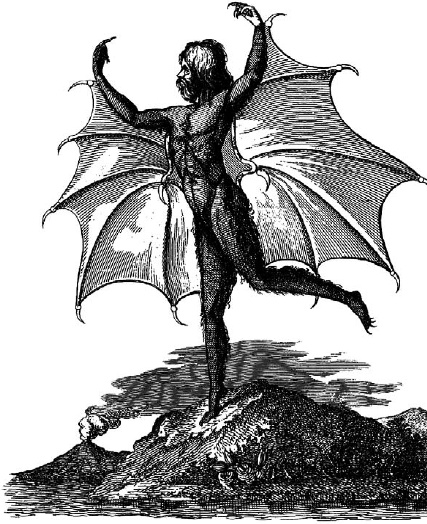
The Great Moon Hoax is funny until it starts to feel modern. In August 1835, The New York Sun published a series describing astonishing lunar discoveries supposedly made through a powerful telescope. The Moon was not barren. It had landscapes, animals and winged humanoids. The story was impossible, but it arrived wearing the clothes of scientific news.
That costume mattered. Astronomy was a real public fascination, telescopes were expanding what people could imagine, and John Herschel was a real astronomer with a famous name. The hoax did not ask readers to believe nonsense in a vacuum. It attached invention to a live wire of scientific authority.
The structure was serial and theatrical. Each instalment widened the world. The reader moved from landscape to life, from life to intelligent beings, from curiosity to marvel. The format made disbelief wait for the next issue. The paper did not simply print a false claim; it built an experience of revelation.
The hoax also shows why old newspapers are both wonderful and dangerous sources. A printed page can feel official because it is old, typographic and specific. But print is a medium, not a guarantee. In this case, the medium created authority while the story itself quietly invented the chain of evidence it needed.
A modern reader may laugh at lunar forests and winged people, but the machinery is familiar. Borrow a trusted name. Use technical language. Break the claim into digestible updates. Let audience desire do part of the work. By the time correction arrives, the story has already travelled as entertainment, argument and memory.
The responsible lesson is not that people in the past were gullible. It is that wonder lowers the drawbridge. Readers wanted the universe to be larger and stranger, and the hoax offered that feeling in a plausible newspaper voice. The same appetite still shapes viral science claims, paranormal clips and miracle discoveries.
As an archive case, the Great Moon Hoax belongs beside photographic fakes, misidentified lights and urban legends. It is not a failure of imagination. It is imagination successfully disguised as evidence.
Why It Worked
The hoax borrowed real scientific prestige, used serial suspense and gave readers a cosmos that felt both technical and marvellous.
What It Teaches
A source should be checked for origin, authority and independent confirmation, especially when its claim is exactly what an audience wants to believe.
Case Notes
- Claim
- A newspaper series claimed that powerful telescopes had revealed life on the Moon, including landscapes, animals and winged humanoids.
- Background
- The articles appeared in The New York Sun in 1835 and borrowed authority from real astronomical excitement and the name of John Herschel.
- Reported events
- Readers encountered a staged scientific revelation through serial newspaper writing. The claims spread widely before being recognised as fabricated.
- Possible explanations
- The case is a deliberate media hoax amplified by public interest in astronomy, scientific authority and cheap popular newspapers.
- Sceptical view
- The claims collapse under basic source checking: the discoveries were not Herschel’s, the observations were impossible and the supporting publication trail was invented.
- Why it still interests people
- It remains a near-perfect early example of how credible style, scientific language and reader appetite can carry impossible claims.
- People or entities
- The New York Sun, Richard Adams Locke, John Herschel
Sources and Further Reading
- Library of Congress: The Great Moon HoaxLibrary of Congress teaching blog post on using the hoax as a primary-source exercise.
- Wikimedia Commons: Great Moon Hoax illustrationPublic-domain image used for this entry.
- Britannica: The Great Moon Hoax of 1835Context on the newspaper hoax and its science-fiction style.
Claim, Context and Cautions
- Why It Worked
- The hoax borrowed real scientific prestige, used serial suspense and gave readers a cosmos that felt both technical and marvellous.
- What It Teaches
- A source should be checked for origin, authority and independent confirmation, especially when its claim is exactly what an audience wants to believe.
Sources and Further Reading
- Library of Congress: The Great Moon HoaxLibrary of Congress teaching blog post on using the hoax as a primary-source exercise.
- Wikimedia Commons: Great Moon Hoax illustrationPublic-domain image used for this entry.
- Britannica: The Great Moon Hoax of 1835Context on the newspaper hoax and its science-fiction style.