Hoaxes & Debunks
Piltdown Man: The Fossil That Flattered an Expectation
Piltdown Man fooled parts of the scientific world for decades because forged evidence appeared to fit a story people were ready to hear.
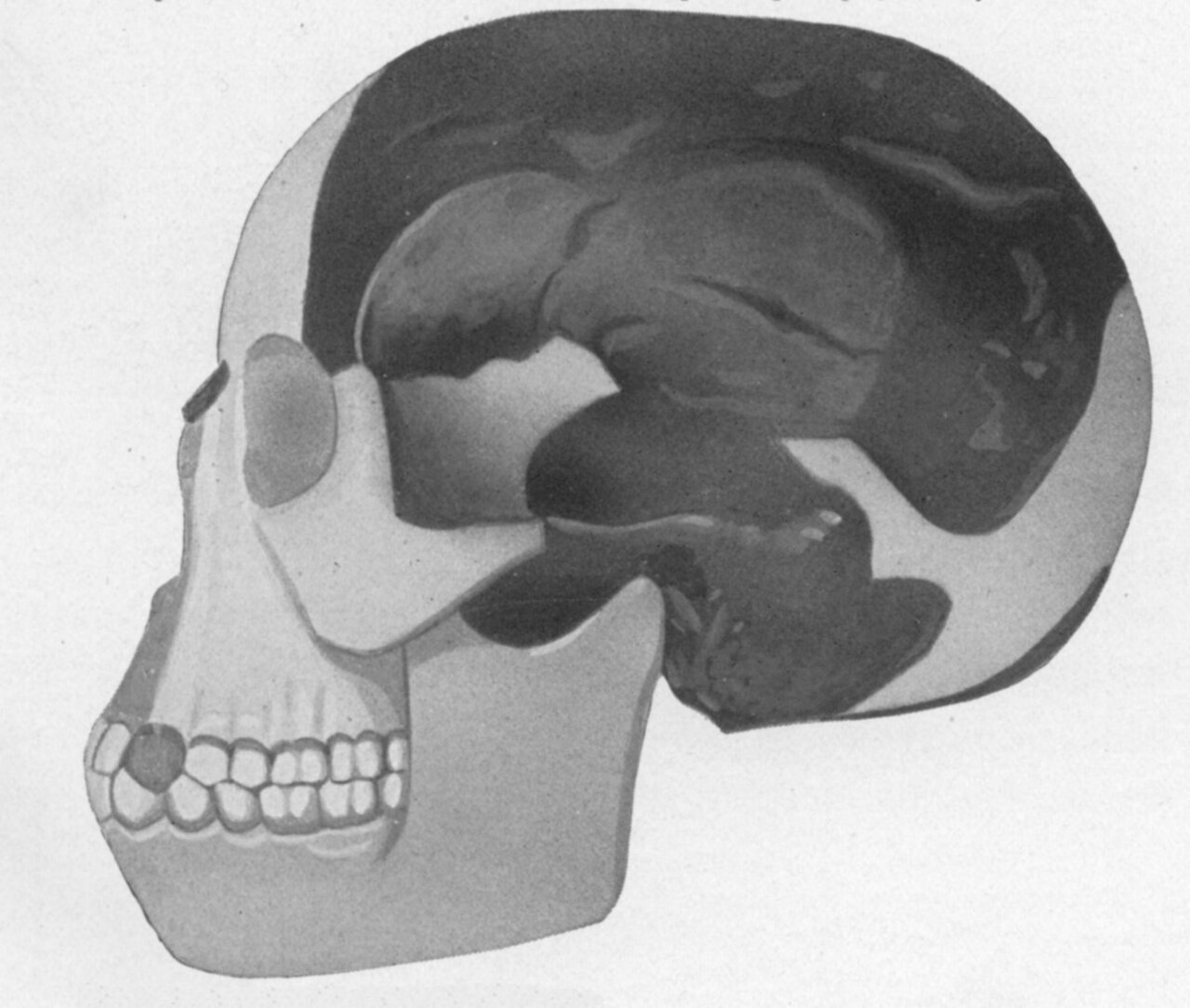
Piltdown Man is one of the great cautionary tales of modern science because the object was not merely wrong. It was persuasive in a particular historical moment. The forged remains seemed to offer a human ancestor with the right mixture of traits for some expectations of the time: a large brain early in the story and a primitive jaw to complete the evolutionary drama.
The discovery was announced in 1912 after finds at Piltdown in Sussex. The claim placed Britain near the centre of human-origins research at a time when fossil discoveries elsewhere were reshaping the map of ancestry. That national and intellectual context matters. The hoax did not succeed only because bones were altered; it succeeded because the story around them had an audience.
For decades, Piltdown occupied space in scientific discussion despite unease and contradictions. Other discoveries gradually made it look less comfortable. The fossil record did not bend neatly around it. Eventually, improved testing exposed the fraud: the assemblage combined human cranial material with an orangutan jaw, modified and stained to appear ancient.
The lesson is not that science is useless because it was fooled. The lesson is that science corrected itself when better methods, comparison and scepticism caught up with a seductive claim. Piltdown’s exposure depended on testing, not on louder opinion.
The case is especially useful for an archive of anomalies because it shows how provenance can fail. A dramatic object without a clean chain of custody can become a stage prop for desire. Once prestige attaches to the object, people may protect the conclusion longer than the evidence deserves.
Piltdown also warns against neatness. Real evidence is often awkward. It does not always arrive in the shape a theory wants. The forged fossil was attractive partly because it resolved tensions too conveniently. In mystery research, that convenience should raise suspicion.
Today Piltdown belongs on the hoax shelf, but not as a reason to mock past researchers from a comfortable distance. It belongs there as a practical diagnostic tool. Ask who benefits from the claim, whether the object can be independently tested, whether contrary evidence is being explained away and whether the story feels satisfying because it is true or because it flatters an expectation.
Why It Worked
The hoax fitted some contemporary expectations about human evolution and national scientific prestige, which made the evidence easier to accept than it should have been.
What Exposed It
Improved dating, anatomical comparison and chemical testing eventually showed that the material did not belong together as claimed.
Case Notes
- Claim
- Fragments found in Sussex were presented as evidence of an ancient human ancestor with a large brain and primitive jaw.
- Background
- The claim arrived during intense interest in human origins and appeared to place a major evolutionary discovery in Britain.
- Reported events
- Skull and jaw fragments were assembled into a proposed early human. Decades later, testing showed the material was a fraud combining human and orangutan remains that had been altered.
- Possible explanations
- Piltdown Man is a deliberate scientific hoax enabled by expectation, prestige, limited testing and a discovery story that suited national and theoretical desires.
- Sceptical view
- The case demonstrates why provenance, independent testing and willingness to challenge attractive conclusions are essential.
- Why it still interests people
- Piltdown is not only a story about a fake fossil; it is a warning about how evidence can be accepted when it flatters what an audience wants to be true.
- People or entities
- Charles Dawson, Arthur Smith Woodward, Natural History Museum researchers
Sources and Further Reading
- Natural History Museum: Piltdown ManMuseum collection and historical context.
- Britannica: Piltdown manReference overview of the hoax and exposure.
- Wikimedia Commons: Piltdown Man imagePublic-domain image used for this entry.
Claim, Context and Cautions
- Why It Worked
- The hoax fitted some contemporary expectations about human evolution and national scientific prestige, which made the evidence easier to accept than it should have been.
- What Exposed It
- Improved dating, anatomical comparison and chemical testing eventually showed that the material did not belong together as claimed.
Sources and Further Reading
- Natural History Museum: Piltdown ManMuseum collection and historical context.
- Britannica: Piltdown manReference overview of the hoax and exposure.
- Wikimedia Commons: Piltdown Man imagePublic-domain image used for this entry.