Cryptids & Strange Creatures
The Surgeon’s Photograph and the Shape of a Monster
The famous Loch Ness image became a visual shorthand for lake monsters, then a lesson in scale, cropping and media appetite.
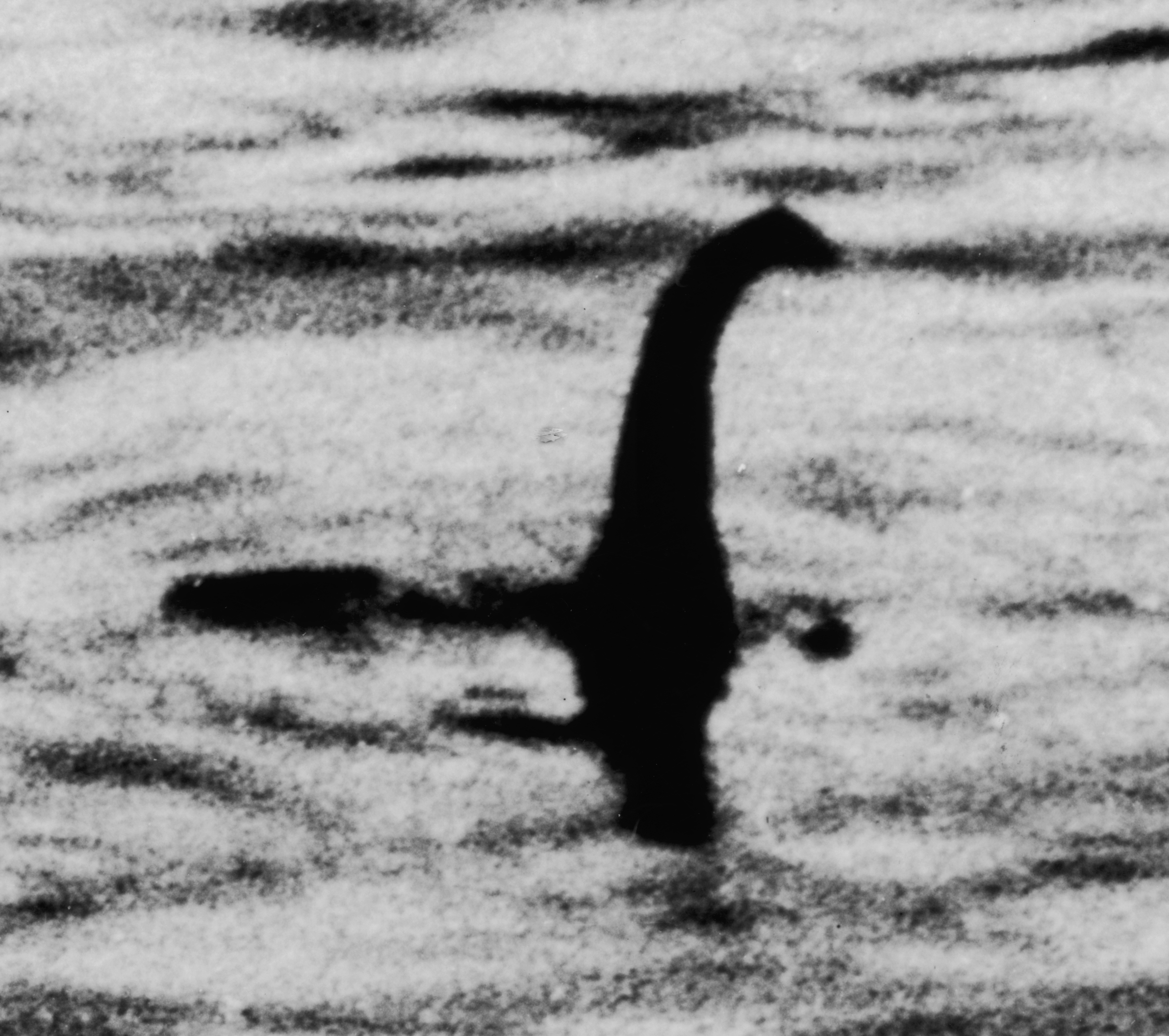
The Surgeon’s Photograph is one of the most important monster images ever published, not because it proves a creature but because it taught the public what to expect a lake monster to look like. A small dark head, a long neck, a flat waterline: the image became a symbol almost immediately.
The photograph’s authority rested partly on its apparent restraint. It was not a lurid painting or a witness sketch. It looked like a plain photographic record, and it was associated with a respectable professional identity. That combination allowed an ambiguous image to behave like evidence in the public imagination.
Scale was the trap. Without reliable distance, object size or surrounding reference points, a small object on water can be made to feel large. Cropping and reproduction sharpened the illusion. A reader saw a monster-shaped form, not the photographic conditions that made judging that form difficult.
Later hoax accounts reframed the image as a staged model rather than a biological mystery. Even then, the photograph did not disappear from culture. It had already done its work. It gave a century of lake-monster stories an instantly recognisable pose.
The case is valuable because it sits at the crossing of cryptozoology, photography and media. It asks not only whether a creature was present, but how a picture becomes more persuasive than its own evidence allows.
For an archive, the lesson is practical. Preserve original crops, reproduction history, camera context and witness chain. A famous image may be culturally important long after it has stopped being strong evidence.
The Loch Ness tradition is larger than this one photograph, but the photograph shaped the tradition. That is why it belongs in a strange archive: not as proof of a monster, but as proof of how strongly an image can organise belief.
Image Caution
A photograph without scale, provenance and original context can be visually persuasive while remaining weak evidence.
Cultural Afterlife
The image helped define the public silhouette of a lake monster even after its status as evidence collapsed.
Case Notes
- Claim
- A 1934 photograph appeared to show the head and neck of a large creature in Loch Ness.
- Background
- The image arrived during a period of intense press interest in the Loch Ness Monster and helped define the creature’s long-necked popular form.
- Reported events
- The photograph was printed and circulated widely. Later accounts identified it as a staged image involving a small model rather than a large animal.
- Possible explanations
- The accepted explanation is photographic hoax, amplified by cropping, loss of scale and public desire for a clear monster image.
- Sceptical view
- The image is far stronger as media history than zoological evidence. Its power came from recognisability, not verifiable scale.
- Why it still interests people
- It remains useful because it shows how one image can create a creature’s public silhouette even after its evidential value collapses.
- People or entities
- Robert Kenneth Wilson, Loch Ness witnesses and researchers, Later hoax claimants
Sources and Further Reading
- Wikimedia Commons: Surgeon’s PhotographPublic-domain image used for this entry.
- Britannica: Loch Ness monsterReference overview of the legend and famous photograph.
- PBS NOVA: Loch Ness legendAccessible discussion of the hoax account and image context.
Claim, Context and Cautions
- Image Caution
- A photograph without scale, provenance and original context can be visually persuasive while remaining weak evidence.
- Cultural Afterlife
- The image helped define the public silhouette of a lake monster even after its status as evidence collapsed.
Sources and Further Reading
- Wikimedia Commons: Surgeon's PhotographPublic-domain image used for this entry.
- Britannica: Loch Ness monsterReference overview of the legend and famous photograph.
- PBS NOVA: Loch Ness legendAccessible discussion of the hoax account and image context.