Unexplained Phenomena
The Brown Lady of Raynham Hall: A Ghost Photograph That Would Not Fade
The Brown Lady became famous because a single staircase image turned a house tradition into a visual ghost story that critics could never quite put back in the box.
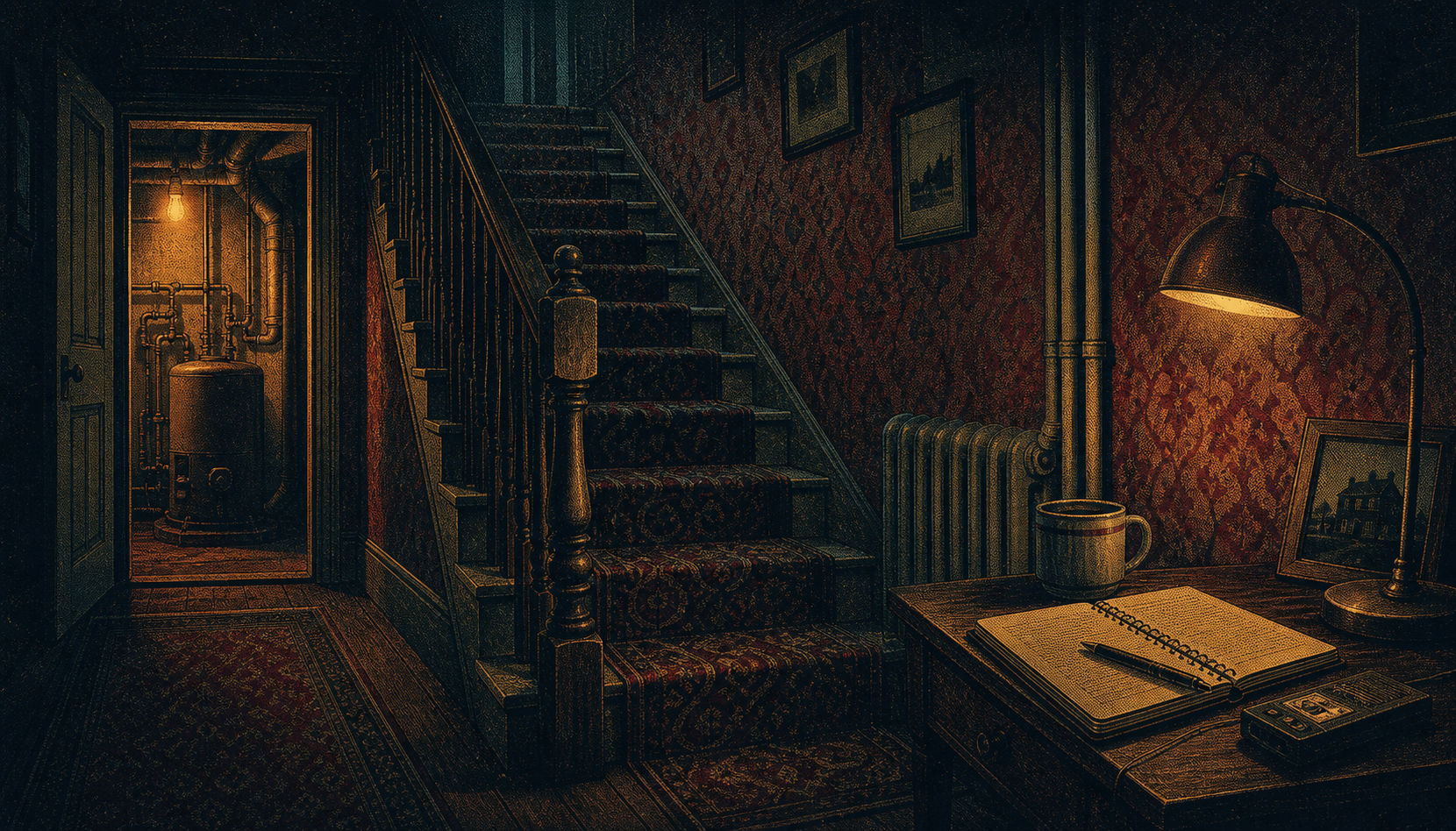
The Brown Lady of Raynham Hall is one of those cases where the photograph became more powerful than the supposed event. The story is old, the image is familiar, and the debate has never quite stopped. That makes it useful rather than annoying, because it shows how a ghost becomes a public object.
The famous photograph was published in 1936 after visitors to Raynham Hall reported seeing a vapoury female figure on the staircase. The image was compelling enough that readers had to choose between an apparition, a trick of the light or a deliberately dramatic composition. The photo itself did not settle the matter; it only made the argument visible.
Critics have long suggested ordinary explanations, including a statue, a blurred figure or an overexposed stairwell. Those suggestions are not exciting, but they are the right place to begin. Once a ghost photo circulates, every later version becomes slightly more polished than the original uncertainty.
The Brown Lady case matters because it exposes the alchemy of ghost media. Family history, house prestige, a photogenic staircase and a well-timed publication can create a cultural object that outlives the evidence behind it. The haunting becomes part of the building’s brand.
For Devil’s Hideout, the lesson is simple: a good ghost image is still not an answer. It is a prompt for provenance, context and the unglamorous work of checking what else could have been in the frame.
Why the Photograph Endured
The staircase composition is clear, dramatic and easy to retell, so the image escaped the limits of the original publication.
What the Case Shows
Ghost stories travel fastest when they can attach themselves to a physical place and a single memorable picture.
Case Notes
- Claim
- A photograph taken on the Raynham Hall staircase appeared to show a ghostly woman descending the stairs.
- Background
- The image arrived into a house already loaded with family legend, wartime memory and local storytelling about a young woman in brown.
- Reported events
- The photo was published in 1936 and quickly became one of the best-known ghost images in Britain, but debate followed almost immediately over lighting, staging and what the blur actually showed.
- Possible explanations
- Suggested explanations range from a statue or draped figure to exposure artefacts and editorial mythmaking, with no independent proof of a spirit in the frame.
- Sceptical view
- The image is better evidence for how ghost stories travel than for the presence of a ghost. Once published, the photograph began to author its own legend.
- Why it still interests people
- It endures because it sits at the perfect intersection of architecture, ancestry, photography and doubt: a staircase image that looks like a question mark.
- People or entities
- Charles Townshend family tradition, Indre Shira, Country Life editors, Raynham Hall custodians
Sources and Further Reading
- Norfolk Record Office: The Brown Lady of Raynham HallLocal archive discussion of the story and the image.
- Britannica: PoltergeistGeneral context for haunting narratives and interpretation.
- Engole: Brown Lady of Raynham HallDetailed retelling and critical notes on the photograph.
Claim, Context and Cautions
- Why the Photograph Endured
- The staircase composition is clear, dramatic and easy to retell, so the image escaped the limits of the original publication.
- What the Case Shows
- Ghost stories travel fastest when they can attach themselves to a physical place and a single memorable picture.
Sources and Further Reading
- Norfolk Record Office: The Brown Lady of Raynham HallLocal archive discussion of the story and the image.
- Britannica: PoltergeistGeneral context for haunting narratives and interpretation.
- Engole: Brown Lady of Raynham HallDetailed retelling and critical notes on the photograph.