Strange History
The Bennington Triangle: Missing People, Missing Context
The Bennington Triangle is less a single event than a regional pattern built from disappearances, local lore and the human need to connect coincidences.
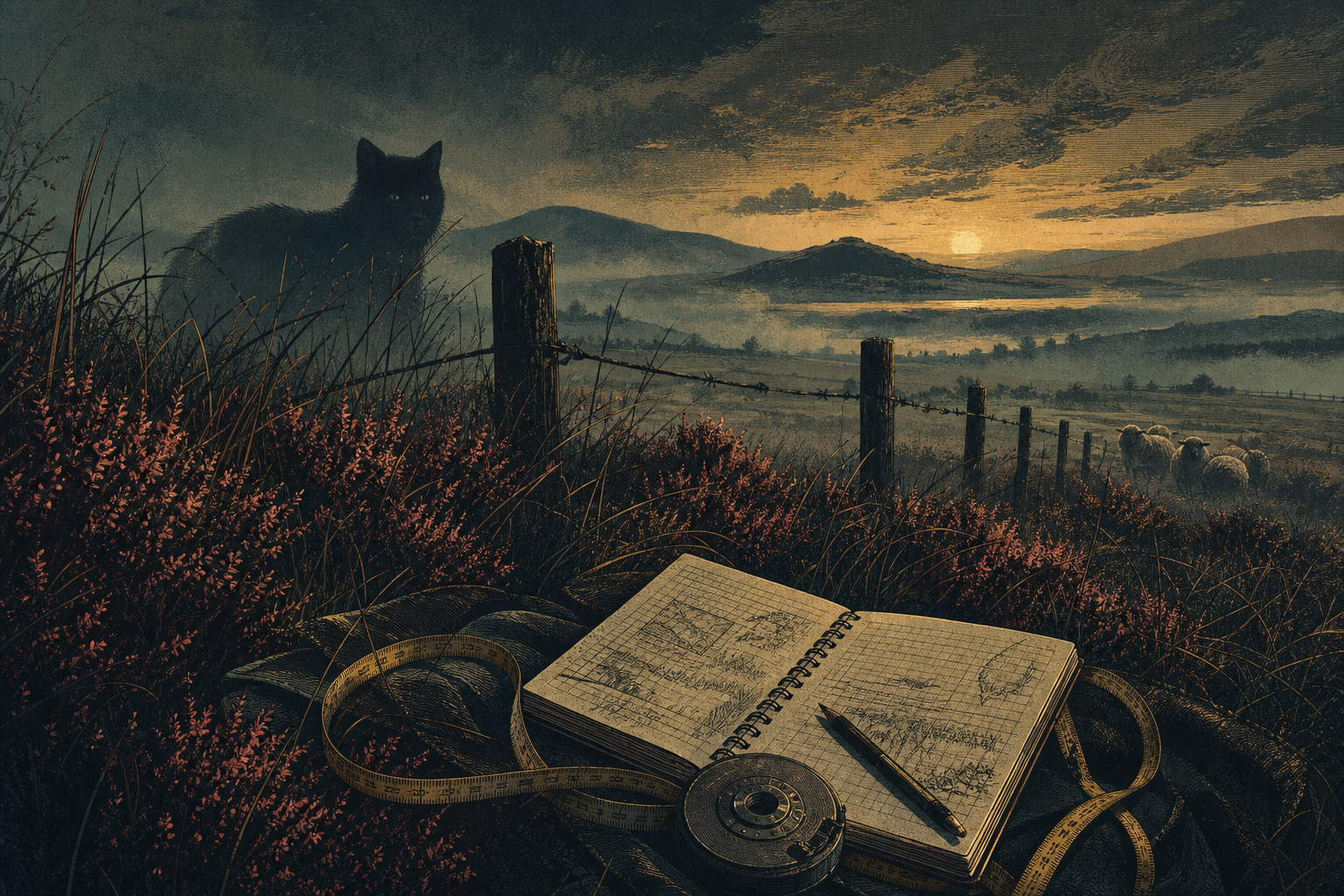
The Bennington Triangle is a great example of how mystery grows after the fact. A number of disappearances in southwestern Vermont were later brought together under one name, which makes the area feel more singular than the original records ever did.
That does not make the disappearances unreal. It means the triangle is an interpretive shape placed over them later. Once that shape exists, every additional anecdote seems to fit better than the evidence alone would justify.
The responsible reading is that some people vanished in difficult outdoor conditions and the later regional story turned them into a pattern. That is not less interesting. It is how folklore works when it meets grief and maps.
For Devil’s Hideout, the Bennington Triangle belongs here because it is both a local legend and a reminder that a mysterious region can be created by storytelling as much as by geography.
How the Triangle Was Built
Later writers gathered separate disappearances into a single conceptual territory.
What the Archive Suggests
Wilderness danger and incomplete records are enough to explain why the legend persists.
Case Notes
- Claim
- Several disappearances in southwestern Vermont were later grouped into a single mystery zone called the Bennington Triangle.
- Background
- The label came from later folklore and book culture rather than from a single official investigation that tied the events together.
- Reported events
- Different people vanished in different circumstances around the same region, and later writers began stitching the cases into a pattern.
- Possible explanations
- The strongest explanations remain ordinary and tragic: wilderness risk, lost trails, poor weather, chance and the way memory upgrades coincidence into system.
- Sceptical view
- The triangle is useful as folklore but weak as a literal mechanism. A map shape is not a cause.
- Why it still interests people
- It endures because it gives a region a shadow map, and because missing people are one of the few mysteries that naturally resist neat closure.
- People or entities
- Middie Rivers, Paula Welden, Paul Jepson, James Tedford
Sources and Further Reading
- Vermont Public: The Bennington Triangle and its cult followingPublic radio discussion of the folklore and later attention.
- paNOW: The Bennington DisappearancesPopular overview of the region and disappearances.
- All That’s Interesting: The Bennington TriangleAccessible survey of the legend and its cases.
Claim, Context and Cautions
- How the Triangle Was Built
- Later writers gathered separate disappearances into a single conceptual territory.
- What the Archive Suggests
- Wilderness danger and incomplete records are enough to explain why the legend persists.
Sources and Further Reading
- Vermont Public: The Bennington Triangle and its cult followingPublic radio discussion of the folklore and later attention.
- paNOW: The Bennington DisappearancesPopular overview of the region and disappearances.
- All That's Interesting: The Bennington TriangleAccessible survey of the legend and its cases.