Hoaxes & Debunks
The Cottingley Fairies: Paper Wings, Cameras and Belief
Two Yorkshire cousins, a camera and a set of fairy photographs became one of the most instructive image hoaxes of the twentieth century.
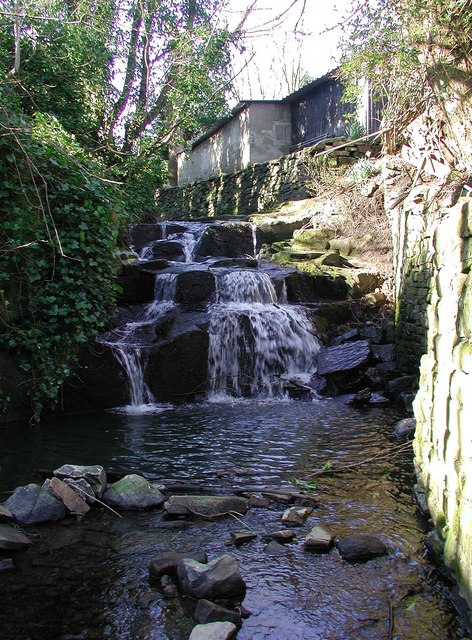
The Cottingley Fairies began as a small domestic scene and grew into a national argument about evidence. In 1917, cousins Elsie Wright and Frances Griffiths were linked to photographs that seemed to show fairies beside them near Cottingley Beck in West Yorkshire. The pictures were simple, charming and surprisingly persuasive to some adult viewers.
The timing gave the images unusual power. Photography still carried an aura of mechanical honesty for many people, even though image manipulation and staged scenes were already well established. At the same time, spiritualist ideas were prominent, and the losses of the First World War had made the possibility of unseen worlds emotionally urgent for many families.
Arthur Conan Doyle’s support helped make the photographs famous. Doyle is useful here because he complicates the easy caricature of belief. He was a trained doctor and the creator of a fictional detective built around rational inference, yet he was also deeply invested in spiritualist claims. The Cottingley photographs reached him at exactly the point where wonder and wish could meet apparent documentation.
The photographs did not require advanced trickery. That is part of their lasting importance. The alleged fairies could be staged as flat figures in a real landscape, then given authority by the camera and by the social weight of adults who interpreted the images. The weakness was not only in the plates; it was in the chain of interpretation around them.
Decades later, the case was carefully revisited by photographic experts, including Geoffrey Crawley. In the early 1980s, Elsie and Frances acknowledged that most of the images were not genuine fairy encounters. The confession did not entirely end the story, because the photographs had already become folklore about folklore.
Cottingley is often treated as a quaint embarrassment, but it is sharper than that. It shows how adults can underestimate children, how a playful act can harden into public evidence, and how a beautiful image can survive the collapse of its claim. The pictures were false, but the social machinery around them was very real.
For a modern archive, the case belongs beside digital image rumours and viral misidentifications. The tools have changed, but the pattern remains familiar: a picture arrives, a community supplies desire, experts arrive late, and the correction must work uphill against the pleasure of the original story.
What Was Actually Shown
The photographs presented young girls in outdoor settings with small winged figures. Their visual charm helped the images travel farther than the evidence warranted.
Why Adults Believed
The case gained force from photography’s reputation, spiritualist interest, Doyle’s support and assumptions that the girls could not have staged such a convincing scene.
Modern Lesson
A photograph is not a conclusion. It is a document that needs provenance, technical review and an account of how it was made.
Case Notes
- Claim
- A series of photographs appeared to show young girls in Cottingley accompanied by fairies.
- Background
- The images emerged during a period when photography, spiritualism, folklore and grief after the First World War were all reshaping public ideas about unseen worlds.
- Reported events
- The photographs circulated among believers and investigators, gained famous support, and were debated for decades before the surviving makers acknowledged that the fairy figures had been staged.
- Possible explanations
- The central explanation is practical fabrication: paper figures arranged in the scene and photographed in a way that turned a playful construction into apparent evidence.
- Sceptical view
- The case shows why image evidence needs context, provenance, technical review and attention to what viewers already want the picture to prove.
- Why it still interests people
- Cottingley still matters because it is not only a fake photograph story. It is a story about childhood creativity, adult credulity, class assumptions, grief, technology and the hunger for enchantment.
- People or entities
- Elsie Wright, Frances Griffiths, Arthur Conan Doyle, Geoffrey Crawley
Sources and Further Reading
- Wikimedia Commons: Cottingley BeckCC BY-SA 2.0 photograph by Paul Glazzard used for this entry.
- National Science and Media Museum: Science investigating the paranormalMuseum context for the camera, photographs and paranormal investigation.
- HISTORY: Britain’s Great Fairy HoaxAccessible overview of the photographs, Doyle’s role and later admissions.
Claim, Context and Cautions
- What Was Actually Shown
- The photographs presented young girls in outdoor settings with small winged figures. Their visual charm helped the images travel farther than the evidence warranted.
- Why Adults Believed
- The case gained force from photography's reputation, spiritualist interest, Doyle's support and assumptions that the girls could not have staged such a convincing scene.
- Modern Lesson
- A photograph is not a conclusion. It is a document that needs provenance, technical review and an account of how it was made.
Sources and Further Reading
- Wikimedia Commons: Cottingley BeckCC BY-SA 2.0 photograph by Paul Glazzard used for this entry.
- National Science and Media Museum: Science investigating the paranormalMuseum context for the camera, photographs and paranormal investigation.
- HISTORY: Britain's Great Fairy HoaxAccessible overview of the photographs, Doyle's role and later admissions.