Occult & Esoteric Culture
The Fox Sisters: Rappings, Performance and the Sound of Belief
The Fox sisters' spirit raps helped launch modern Spiritualism, then became a lesson in performance, grief, confession and belief that survives exposure.
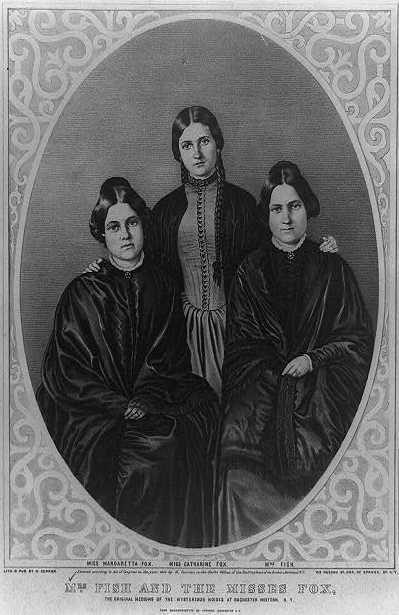
The Fox sisters’ story begins with sound. In 1848, in Hydesville, New York, strange rappings were said to answer questions. The noises appeared intelligent, responsive and personal. That was enough to turn a domestic disturbance into a public claim about communication with the dead.
Kate and Maggie Fox, later joined in public life by their older sister Leah, became central figures in the rise of modern Spiritualism. The attraction was not only that spirits might exist. It was that spirits might be made to answer in a parlour, through a repeatable signal, in front of witnesses.
That repeatability gave the raps their force. A knock could count. It could answer yes or no. It could spell. It made the invisible seem procedural. In a century fascinated by electricity, telegraphy, reform and new religious movements, spirit communication could feel oddly modern.
The performances also met an emotional demand. Death was common and often close. Families wanted continuity. The idea that loved ones might respond through a medium offered comfort with the theatre of evidence. A sound in a room could feel more persuasive than doctrine.
Sceptical explanations followed the sisters from the beginning, and the story eventually turned inward. In 1888 Maggie Fox publicly confessed that the raps had been produced by normal means, including controlled bodily sounds. The confession was dramatic, but it did not erase the movement the sisters had helped set in motion.
That afterlife is the key lesson. Some believers rejected the confession. Others separated Spiritualism from the sisters. Exposure damaged the origin story but could not simply unmake the communities, rituals and expectations that had formed around it.
For Devil’s Hideout, the Fox sisters belong at the crossing of occult history, performance and debunking. The case asks a question every archive of the strange must keep nearby: when a phenomenon is exposed, what remains culturally true about the need that made it believable?
Why Raps Worked
A knocking sound gave audiences a simple, repeatable signal that seemed to turn invisible communication into a testable exchange.
Confession and Afterlife
Maggie Fox’s confession damaged the claim but did not end Spiritualism, showing how movements can survive the collapse of a founding performance.
Archive Lesson
The case is useful for separating event, method, audience need and cultural consequence.
Case Notes
- Claim
- Knocking or rapping sounds were presented as communications from spirits, apparently responding intelligently to questions.
- Background
- The claims emerged in the United States during a period of religious experimentation, reform movements, grief culture and fascination with demonstrations that appeared to make the invisible measurable.
- Reported events
- The sisters became famous mediums, public demonstrations spread, Spiritualism grew as a movement, and Maggie later publicly described the rappings as produced by bodily technique rather than spirits.
- Possible explanations
- The best-supported explanation is deliberate performance amplified by audience expectation, grief, showmanship and a culture ready for signs from the dead.
- Sceptical view
- The case shows that exposure does not automatically end belief. A movement can outgrow the fraud or performance that helped ignite it.
- Why it still interests people
- The Fox sisters matter because the sound was small but the social echo was enormous: knocks on furniture became a new religious and entertainment culture.
- People or entities
- Kate Fox, Maggie Fox, Leah Fox, Spiritualist audiences
Sources and Further Reading
- Wikimedia Commons: Fox sisters 1852Public-domain image used for this entry.
- Britannica: SpiritualismReference overview of Spiritualism and the Fox sisters’ role.
- HISTORY: How a Hoax by Two Sisters Helped Spark the Spiritualism CrazeAccessible historical overview of the raps, fame and confession.
Claim, Context and Cautions
- Why Raps Worked
- A knocking sound gave audiences a simple, repeatable signal that seemed to turn invisible communication into a testable exchange.
- Confession and Afterlife
- Maggie Fox's confession damaged the claim but did not end Spiritualism, showing how movements can survive the collapse of a founding performance.
- Archive Lesson
- The case is useful for separating event, method, audience need and cultural consequence.
Sources and Further Reading
- Wikimedia Commons: Fox sisters 1852Public-domain image used for this entry.
- Britannica: SpiritualismReference overview of Spiritualism and the Fox sisters' role.
- HISTORY: How a Hoax by Two Sisters Helped Spark the Spiritualism CrazeAccessible historical overview of the raps, fame and confession.