Occult & Esoteric Culture
The Hope Diamond Curse: A Jewel, a Rumour and a Sales Pitch
The Hope Diamond is real, spectacular and historically traceable; the curse attached to it is better read as media folklore and gem-market theatre.
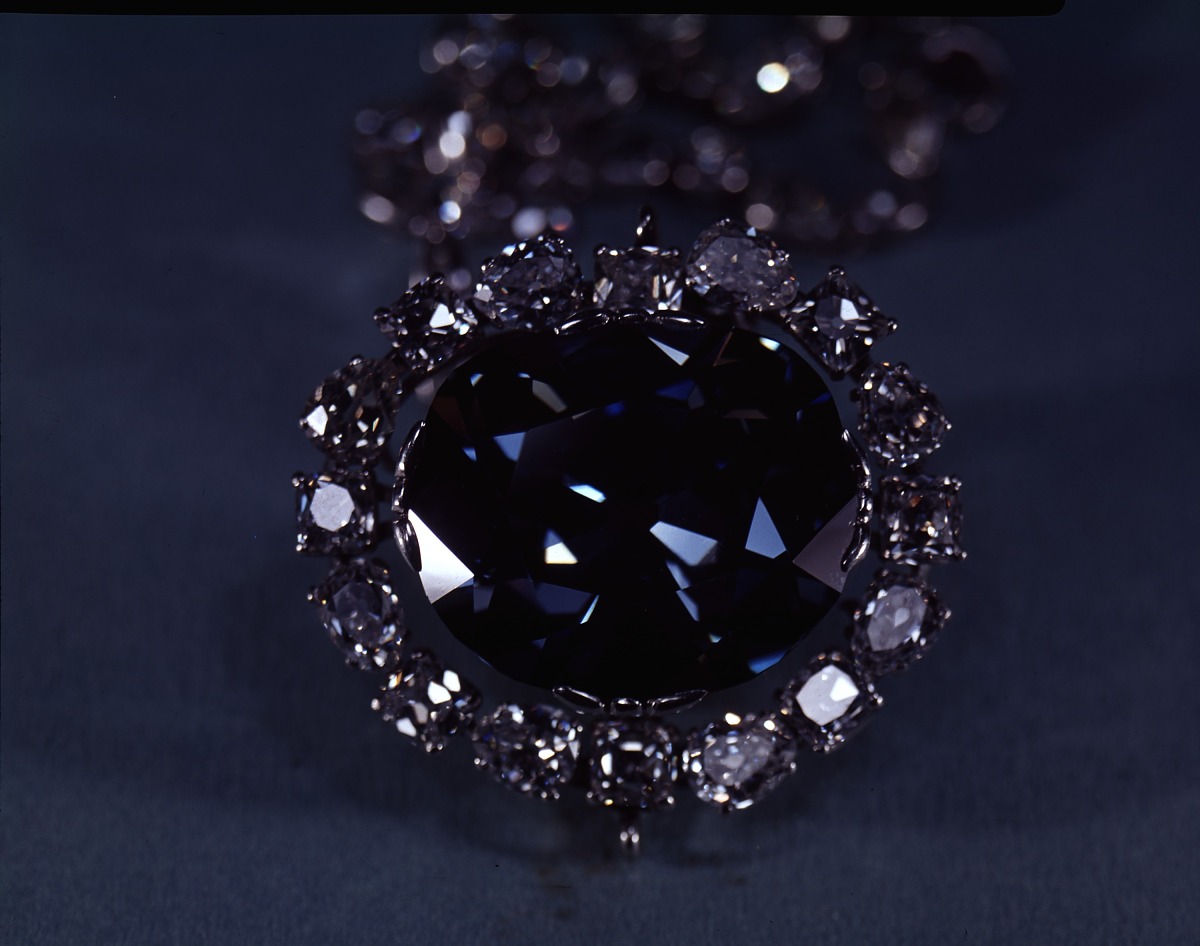
The Hope Diamond does not need a curse to be interesting. It is one of the world’s most famous gemstones: a deep blue diamond with a long, complicated history that runs through India, France, Britain and the United States. The object is real. The curse is the unstable part.
The familiar curse story works by gathering misfortunes around the diamond and arranging them as if they were evidence. Owners, alleged owners, royal upheaval, financial losses, scandals and deaths become beads on a necklace. The problem is that association is not causation, and some associations are weaker than retellings suggest.
A cursed-object narrative often becomes strongest when an object moves through elite hands. Wealth creates records. Records create biographical detail. Biographical detail supplies enough grief, illness, debt and death for a pattern to be assembled after the fact.
The Hope Diamond’s commercial life also matters. A curse can be publicity. It makes a stone memorable, gives journalists a hook and turns ownership into a drama. A gem that ruins its owners is a better headline than a gem with a complicated recutting history.
Smithsonian scholars and public historians have repeatedly treated the curse as folklore rather than fact. That does not make the story worthless. Folklore can reveal how people think about wealth, beauty, theft, empire, glamour and punishment.
The diamond’s safe delivery to the Smithsonian by registered mail in 1958 is a useful anti-climax. Harry Winston donated it; the package arrived; the museum displayed it. No curse was required for the object to become iconic.
For Devil’s Hideout, the Hope Diamond belongs as a cursed-object case where the responsible question is not whether jewels can hate people, but how people build moral stories around beautiful, expensive things.
Claim Versus Object
The diamond is well documented. The curse is a later interpretive layer built from selective association and dramatic retelling.
Why It Sold
A curse gives a luxury object danger, morality and narrative. It turns gem history into human theatre.
Archive Lesson
When a curse story relies on lists of misfortune, test the chain: did each person really own the object, and was the event unusual?
Case Notes
- Claim
- The Hope Diamond is said to carry a curse that brings disaster, ruin or death to people who possess it.
- Background
- The diamond’s documented history is dramatic enough: Indian origins, French royal ownership, theft during the French Revolution, recutting, elite collectors and eventual donation to the Smithsonian.
- Reported events
- Misfortunes associated with owners and alleged owners were gathered into a curse narrative, often with doubtful links, exaggerated details and stories that made the gem more marketable.
- Possible explanations
- The curse is best explained as retrospective pattern-making, sensational journalism, salesmanship, class fascination and the broader cursed-object tradition.
- Sceptical view
- A list of wealthy owners who suffered ordinary human misfortune is not evidence of supernatural agency. Provenance and chronology matter more than dramatic association.
- Why it still interests people
- The case remains useful because it shows how a genuine object can carry a second, less factual object around it: the story people want the jewel to tell.
- People or entities
- Jean-Baptiste Tavernier, Louis XIV, Henry Philip Hope, Evalyn Walsh McLean, Harry Winston
Sources and Further Reading
- Smithsonian: The Hope DiamondSmithsonian object page and CC0 image source.
- Smithsonian Sidedoor: The Curse of the Hope DiamondSmithsonian discussion of the curse tradition and history.
- Britannica: Hope diamondReference overview of the gemstone and ownership history.
Claim, Context and Cautions
- Claim Versus Object
- The diamond is well documented. The curse is a later interpretive layer built from selective association and dramatic retelling.
- Why It Sold
- A curse gives a luxury object danger, morality and narrative. It turns gem history into human theatre.
- Archive Lesson
- When a curse story relies on lists of misfortune, test the chain: did each person really own the object, and was the event unusual?
Sources and Further Reading
- Smithsonian: The Hope DiamondSmithsonian object page and CC0 image source.
- Smithsonian Sidedoor: The Curse of the Hope DiamondSmithsonian discussion of the curse tradition and history.
- Britannica: Hope diamondReference overview of the gemstone and ownership history.