Strange History
Mary Celeste: The Empty Ship That Would Not Explain Itself
The famous 1872 maritime mystery is less a ghost story than a stubborn problem of evidence, weather, cargo and missing people.
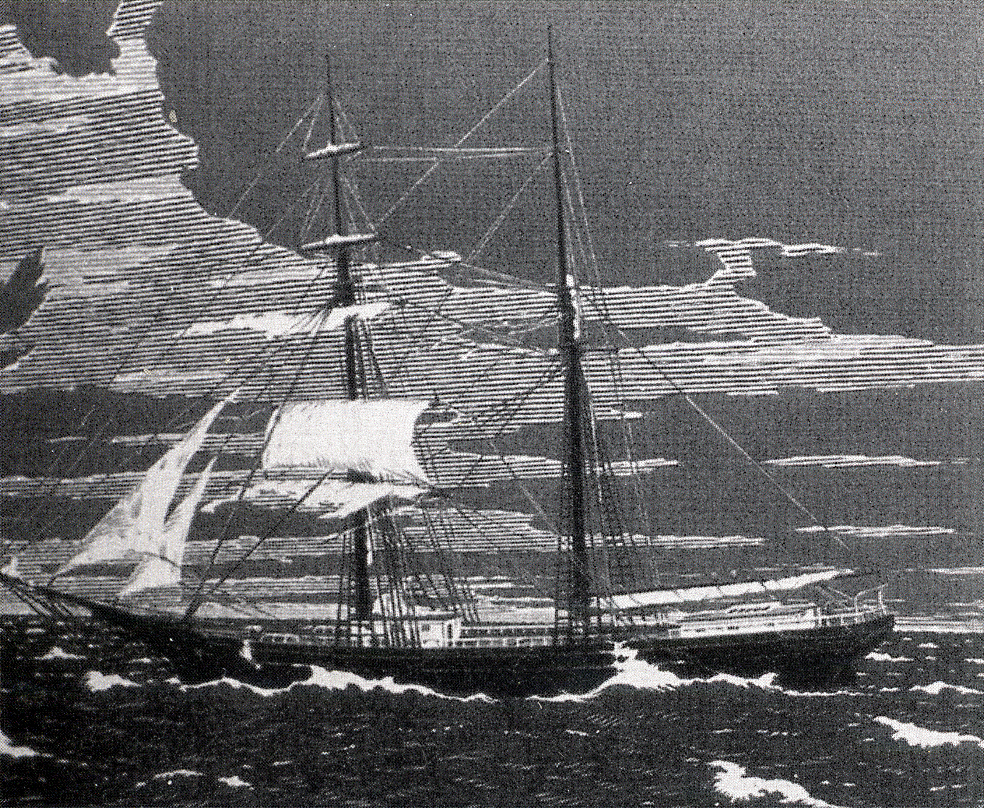
Mary Celeste is one of the rare famous mysteries where the basic event is not folklore. A real vessel was found at sea in December 1872. A real salvage inquiry followed. Real people were missing. What makes the case powerful is not that nothing is known, but that the known facts stop just short of explaining the decision that mattered.
The brigantine had left New York in November 1872 bound for Genoa with a cargo of industrial alcohol. Captain Benjamin Briggs sailed with his wife Sarah, their young daughter Sophia and a small crew. When Dei Gratia encountered the vessel weeks later, Mary Celeste was under sail but erratic, with no one visible on deck.
The boarding party found a ship that was not comfortably normal but not ruined either. The ship’s boat was gone. Some equipment was displaced or missing. There was water below, but not enough to explain a straightforward sinking panic. Cargo remained aboard. Personal possessions did not suggest an orderly arrival somewhere else. The scene looked like interruption rather than conclusion.
That ambiguity created a vacuum. Later retellings filled it with irresistible but unreliable details: meals supposedly left steaming, pipes still warm, a vanished crew plucked from the deck. Those details are part of the legend of Mary Celeste, not the hard core of the case. The harder question is more human: what did Briggs and the others believe was about to happen?
One practical line of thought concerns the alcohol cargo. If fumes escaped from leaking barrels, the crew might have feared explosion even without fire. Another line concerns navigation and weather. A damaged pump, uncertain water level, rough seas and a mistaken estimate of position could make a temporarily threatened ship seem doomed. Under pressure, the ship’s boat may have looked safer than remaining aboard.
The tragedy is that the boat was the more fragile choice. If the people aboard Mary Celeste left in haste, intending to remain tethered or nearby, weather and distance could have turned a precaution into disappearance. That explanation is plausible without being provable. It respects the evidence while admitting that the last minutes are gone.
The case remains useful for Devil’s Hideout because it shows the difference between mystery and ornament. Mary Celeste does not need ghosts, sea monsters or impossible forces to be strange. It needs a vessel, missing people, incomplete records and the knowledge that a decision made at sea can be rational in the moment and unknowable afterward.
What Later Retellings Often Add
Popular versions frequently sharpen the mystery by adding domestic details that are not part of the reliable record. Treat those details as folklore unless they can be traced to the inquiry or contemporary reporting.
What Makes the Case Strong
Unlike many maritime legends, Mary Celeste has a documented vessel, named people, a discovering ship, a salvage process and contemporary press attention. The uncertainty sits inside a real record.
Case Notes
- Claim
- The brigantine Mary Celeste was found adrift in December 1872 with no one aboard and no final explanation for why the people left.
- Background
- Mary Celeste sailed from New York for Genoa carrying industrial alcohol. The ship was later sighted by Dei Gratia, apparently seaworthy but abandoned.
- Reported events
- The discovering crew found personal belongings and cargo still aboard, while the ship’s boat was missing. The people who left Mary Celeste were never recovered.
- Possible explanations
- Proposed explanations include fear of explosion from alcohol vapour, water ingress, instrument error, severe weather, damaged equipment and a mistaken decision to abandon ship.
- Sceptical view
- Many sensational versions add details that are not supported by the inquiry record, such as untouched meals, warm tea or supernatural disappearance.
- Why it still interests people
- The case endures because it has enough documentation to be real, enough gaps to resist closure and enough later embellishment to show how mysteries become legends.
- People or entities
- Benjamin Briggs, Sarah Briggs, Sophia Matilda Briggs, Crew of Mary Celeste, Crew of Dei Gratia
Sources and Further Reading
- Wikimedia Commons: Mary Celeste engravingPublic-domain image used for this entry.
- Encyclopaedia Britannica: Mary CelesteOverview of the vessel and disappearance.
- Historical Association: The Mary Celeste, the history of a mysteryHistorical overview of the case and its continuing mystery.
Claim, Context and Cautions
- What Later Retellings Often Add
- Popular versions frequently sharpen the mystery by adding domestic details that are not part of the reliable record. Treat those details as folklore unless they can be traced to the inquiry or contemporary reporting.
- What Makes the Case Strong
- Unlike many maritime legends, Mary Celeste has a documented vessel, named people, a discovering ship, a salvage process and contemporary press attention. The uncertainty sits inside a real record.
Sources and Further Reading
- Wikimedia Commons: Mary Celeste engravingPublic-domain image used for this entry.
- Encyclopaedia Britannica: Mary CelesteOverview of the vessel and disappearance.
- Historical Association: The Mary Celeste, the history of a mysteryHistorical overview of the case and its continuing mystery.