Strange History
Salem and Spectral Evidence: When Fear Became Procedure
The Salem witch trials remain a severe lesson in how fear, theology, testimony and legal process can combine into a lethal accusation system.
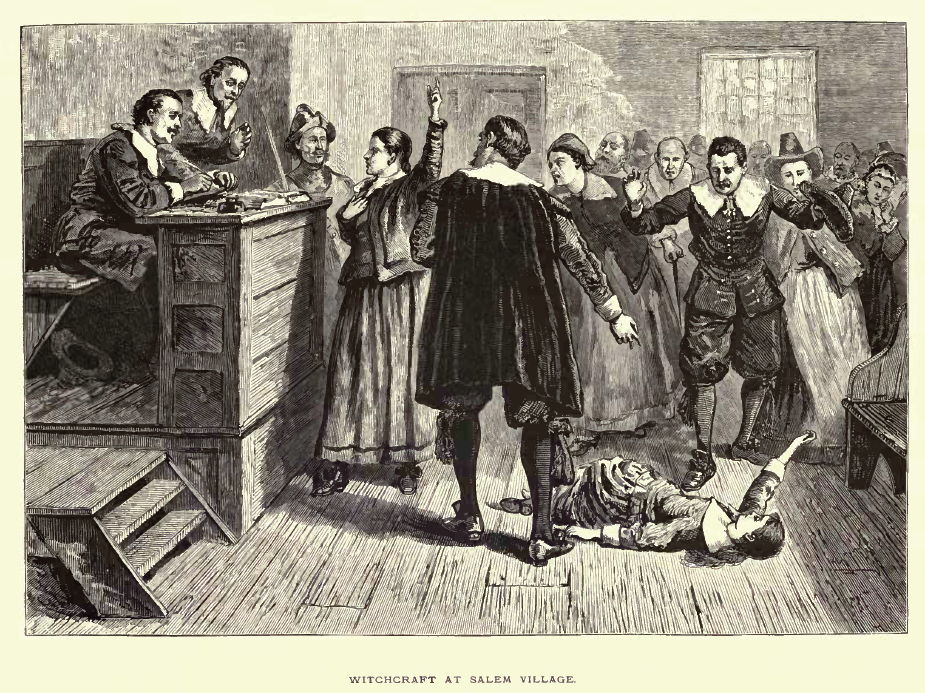
The Salem witch trials are often flattened into a Halloween shorthand, but the historical case is far more disturbing than a tale of superstition. It was an accusation system with courts, warrants, ministers, neighbours, property, fear and death. Its power came from procedure as much as panic.
The events began in 1692 in a colonial community already under strain. Salem Village had local factional conflict. New England carried inherited European witchcraft beliefs. War and displacement sharpened fear. Illness, grief and religious anxiety gave people a language for invisible harm. In that environment, accusation could feel like explanation.
Spectral evidence sits at the centre of Salem’s continuing importance. If a victim said the spectre or shape of an accused person tormented them, that claim could become part of the case. The problem is obvious to modern readers: such evidence could not be independently tested. A system that admits invisible acts as proof gives fear a legal costume.
This does not mean the participants were cartoon villains or fools. Many people were acting inside a worldview where spiritual attack seemed possible. That makes the case more useful, not less. It shows how dangerous a sincere system can become when its standards of evidence cannot protect the accused.
The trials also demonstrate how social pressure alters testimony. Accusations multiplied. Confessions could save a life while denial might lead toward execution. Names named under pressure could pull more people into the machinery. Once the process rewarded confirmation, doubt became difficult to express.
By the end, nineteen people had been hanged and one man, Giles Corey, was pressed to death after refusing to plead. Many more were imprisoned. Later reversals, apologies and memorials could not undo what happened, but they did mark a public recognition that the process itself had failed.
For Devil’s Hideout, Salem belongs in strange history rather than as a supernatural proof-text. Its lesson is colder and more practical: ask what counts as evidence, who benefits from accusation, whether dissent is possible and how quickly a community can confuse fear with certainty.
Spectral Evidence
Claims about invisible torment gave the trials a dangerous evidential category: experiences that could be asserted but not independently tested.
Pressure and Confession
When confession can reduce danger and denial can increase it, testimony becomes tangled with survival rather than simple truth-telling.
Archive Lesson
Salem is a permanent reminder that extraordinary claims need standards of evidence strong enough to protect real people.
Case Notes
- Claim
- Residents were accused of harming others through witchcraft, with invisible or spectral acts treated as meaningful evidence in court and community life.
- Background
- Salem unfolded in a pressured colonial society shaped by religious fear, local conflict, illness, war anxiety, social grievance and inherited European witchcraft beliefs.
- Reported events
- Accusations escalated, examinations and trials followed, many people were imprisoned, and twenty people were executed before the legal and social machinery finally turned against the proceedings.
- Possible explanations
- The crisis is best understood through social, legal, religious and political pressures rather than as evidence for actual witchcraft.
- Sceptical view
- The case is a warning about testimony under pressure, confirmation bias, coercive questioning and systems that reward accusation faster than verification.
- Why it still interests people
- Salem endures because it is not distant enough. It shows how institutions can transform rumour into evidence when fear is given official shape.
- People or entities
- Accused residents of Salem and nearby communities, Court officials, Accusers and witnesses
Sources and Further Reading
- Wikimedia Commons: Salem Witchcraft TrialPublic-domain image used for this entry.
- Britannica: Salem witch trialsReference overview of chronology, location and outcome.
- University of Virginia: Salem Witch Trials Documentary ArchiveDocumentary archive and teaching resource for primary materials.
- Peabody Essex Museum: Salem Witch TrialsMuseum context for surviving documents and historical interpretation.
Claim, Context and Cautions
- Spectral Evidence
- Claims about invisible torment gave the trials a dangerous evidential category: experiences that could be asserted but not independently tested.
- Pressure and Confession
- When confession can reduce danger and denial can increase it, testimony becomes tangled with survival rather than simple truth-telling.
- Archive Lesson
- Salem is a permanent reminder that extraordinary claims need standards of evidence strong enough to protect real people.
Sources and Further Reading
- Wikimedia Commons: Salem Witchcraft TrialPublic-domain image used for this entry.
- Britannica: Salem witch trialsReference overview of chronology, location and outcome.
- University of Virginia: Salem Witch Trials Documentary ArchiveDocumentary archive and teaching resource for primary materials.
- Peabody Essex Museum: Salem Witch TrialsMuseum context for surviving documents and historical interpretation.